Field marketing may sound like an unfamiliar term, but if we think of it as "marketing in the field," it makes more sense. Essentially, field marketing is "a strategy where your company assigns a sales team or marketing professional to support the selling and prospecting process directly with buyers, retailers and consumers."
In some companies, this happens face to face with the customer, while in others it involves street campaigns or distributing flyers and self-explanatory materials. But field marketing goes well beyond that. There are various types of strategies and actions that can be implemented.
How field marketing works in practice
Field marketing is one of the most effective forms of selling, as it not only builds more credibility for the product and company but also opens a dialogue between the sales promoter or marketing professional and the customer.
And that is precisely why such a campaign carries risks , the professionals involved must be well trained, since they are the spokespersons for your company.
There are several ways to run field marketing campaigns. Here are some of them:
1. Product sampling and demonstrations
Typically, these samplings and demonstrations take place in supermarkets and department stores where the purchase can be made. They can also happen at trade shows, exhibitions and other places with a large concentration of people.
They can even be done where the public cannot buy immediately, simply inviting the customer to try the product and sparking interest so they learn more and make a purchase later.
2. In-store promotions
In this type of campaign, one or more product or service representatives are at a specific store to assist the customer in making a purchase and suggest solutions on how the product or service can solve their problem. The professional assigned to this role must handle each case carefully to generate a positive return for the company.
3. Street promotions
This type of promotion is well known. It involves sending teams to high-traffic areas to distribute flyers, cards, coupons, informational materials and other promotional items.
At street fairs or events, for example, some vendors may hand out these promotional materials. This strategy helps associate your brand with a positive customer experience.
4. Merchandising
Merchandising involves coordinating with retailers to showcase your company's products in the most attractive way for the customer.
The merchandising strategy requires certain negotiations with retailers so that everyone benefits. Strategic in-store locations can be negotiated, or larger product quantities at a much lower price.
Types of customers reached by field marketing
There is a variety of market segments where field marketing can be used, especially when customers are physically present.
POS campaigns are more effective for impulse buyers. Merchandising, on the other hand, can reach any audience , whether undecided shoppers or those who already know what they want to buy.
But the main focus of field marketing is "shapers" , the most influential customers and opinion leaders. By reaching these influential consumers, they share their experience within their circles and draw attention to a particular product or service they enjoyed.
Is investing in field marketing worth it?
The value gained from interacting with people is incomparable. There are few opportunities to interact with and get to know your customers. Field marketing is a way to show that your brand is present where the consumer is. You should invest in this opportunity to attract people, build relationships and nurture them , gaining greater engagement, even in the long term.
Tell us about your experiences with field marketing and what you thought of this article. We want to hear from you!
Operations driven by data.
Not by guesswork.
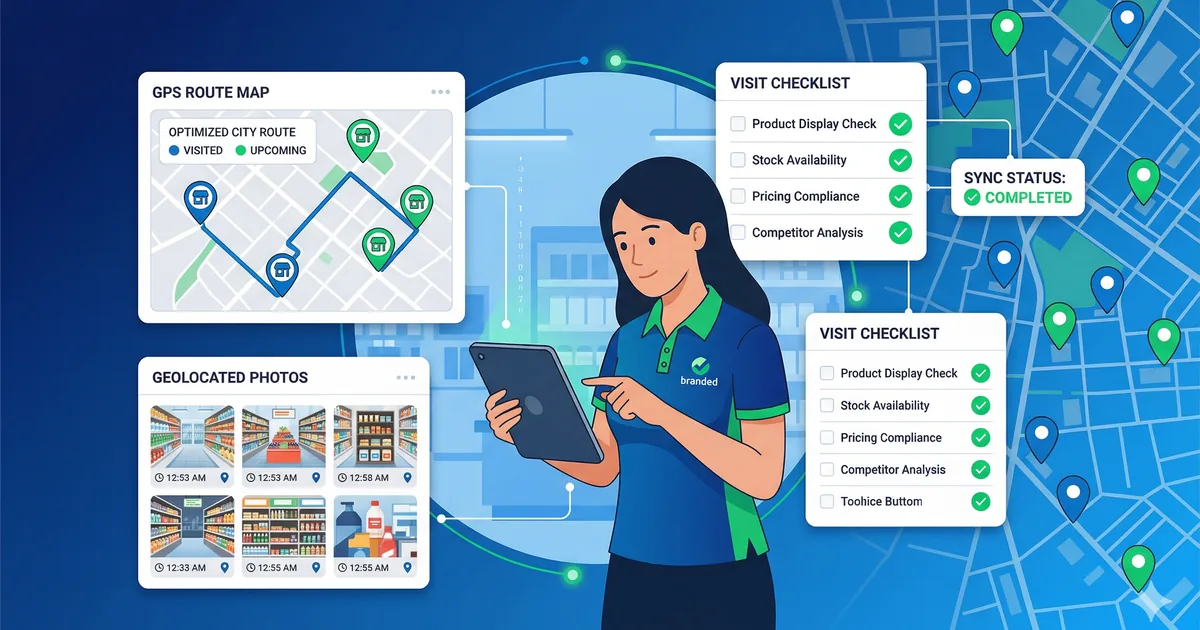
PMR delivers GPS, geolocated photos and same-day automated reports. No monthly fee: you pay only for what you execute.
Simulate my budgetFrequently asked questions
What is field marketing?
Field marketing is a strategy in which a company assigns a team or professional to support the sales and prospecting process directly with buyers, retailers and consumers. Activities take place at the point of sale or in the field, face to face with the customer, including demonstrations, promotions and merchandising.
What is the difference between field marketing and trade marketing?
Trade marketing is a broader strategy that involves the entire chain between industry and distribution channels. Field marketing is field execution, focused on direct interaction with consumers and retailers at the point of sale. Field marketing is one of the tools of trade marketing, with in-person and personalized action.
What are the main activities of field marketing?
The main activities of field marketing are: product sampling and demonstrations at stores and trade shows; in-store promotions with representatives assisting customers in their purchase; street promotions delivering promotional materials in high-traffic locations; and merchandising, which involves coordinating with retailers to display products in the most attractive way for consumers.